


What Are You Looking For?
Many new block plant investors focus only on the quotation price of the block machine when making purchasing decisions. However, the machine purchase price is just a small part of the full‑lifecycle investment. Countless projects face tight cash flow or low profit margins after startup because investors overlook various hidden expenses ranging from auxiliary equipment, site preparation, shipping‑import fees, daily operation, spare‑part replacement to production downtime losses.
Total Cost of Ownership (TCO) covers all capital and operational costs from equipment procurement, installation‑commissioning, daily running, maintenance to end‑of‑service‑life disposal. Whether you are preparing to launch a brand‑new block factory or already run an existing block plant, mastering TCO analysis helps you make smarter purchasing choices, avoid budget overruns, and deliver more predictable return on investment in 2026 market conditions.
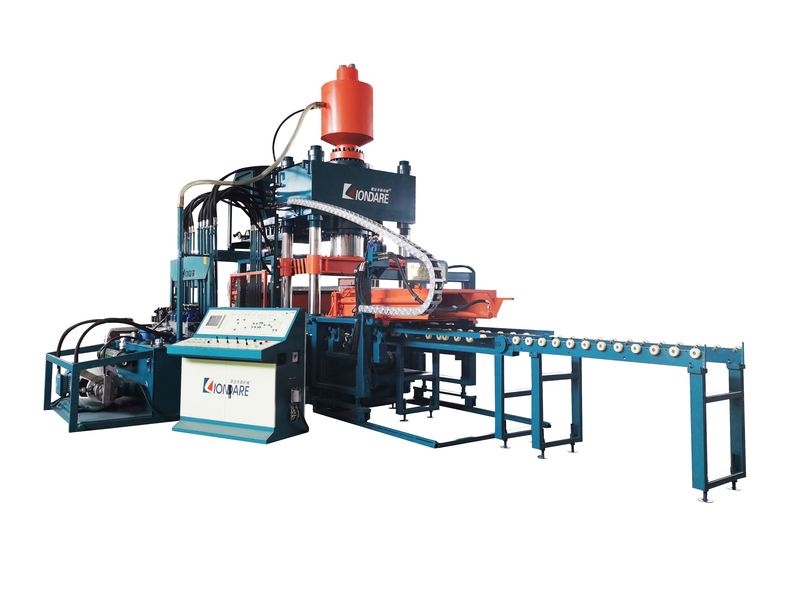
Most buyers only compare main‑unit prices from different suppliers, while ignoring a long list of mandatory one‑time investment items. These items can add 50 %‑100 % extra cost on top of the block machine itself.
Upfront investment is visible, but recurring running costs accumulate year by year and heavily determine your plant profitability. For long‑term operation, operational costs often exceed the initial machine purchase value over several years of running.
Knowing typical pitfalls helps you avoid costly mistakes during project planning.
Buying the cheapest machine looks good at first glance. But inferior‑quality equipment brings higher power waste, frequent breakdowns, high scrap‑rate and expensive spare‑part replacement in later operation. The money saved on purchasing may be consumed by continuous operational losses.
Pallets are consumables subject to wear and tear. Many new plants start production and find they do not have enough qualified pallets, limiting daily output. Molds for different block types also require separate budget allocation.
Investors sometimes purchase high‑capacity automatic lines expecting future market growth. If local market demand cannot absorb the output, you pay for idle equipment, high electricity consumption and large‑scale curing yard without corresponding sales revenue.
Some suppliers offer cheap machines yet lack timely after‑sales service and quick spare‑part delivery. Long waiting time for spare parts causes long‑term production stand‑still and huge hidden losses.
You can optimize TCO without sacrificing block‑product quality and plant output.
A: Normally, hidden and auxiliary‑related costs can account for 50 %‑100 % of the main block‑machine purchase price. If you only budget for the main unit, your real total investment will be far higher than your initial estimate.
A: Not always. Fully‑automatic lines have higher upfront capital cost. It delivers better TCO only when you have stable high‑volume orders and high‑local‑labor‑cost conditions. Small‑scale projects may get better economic performance from properly‑selected semi‑automatic equipment.
A: Unplanned downtime loss is often the most destructive hidden expense. Breakdowns trigger repair‑part cost, wasted labor and raw‑material resources, plus lost sales opportunities. Scrap‑block loss from unstable machine performance also seriously erodes profit margins.
A: Sum up one‑time capital expenditure (machine, auxiliary equipment, site work, logistics, installation) plus multi‑year cumulative operational cost (electricity, labor, spare‑parts, raw‑material scrap loss). Subtract estimated residual value of equipment at the end of service life. Compare TCO against projected revenue to judge project feasibility.
A: Yes. It is recommended to order core wearing parts together with your equipment. It avoids long‑time waiting for international spare‑part shipment after breakdown, greatly reducing the risk of long‑term production shutdown.
 One kilometer away from the exit of Nanshi Expressway in Rongqiao Project Concentration Area, Nan'an City
 Email: admin01@liandamachine.com


 IPv6 network supported